


Subtotal $0.00
Pharma Projects: Ensuring Innovation, Regulatory Compliance, and Global Healthcare Impact
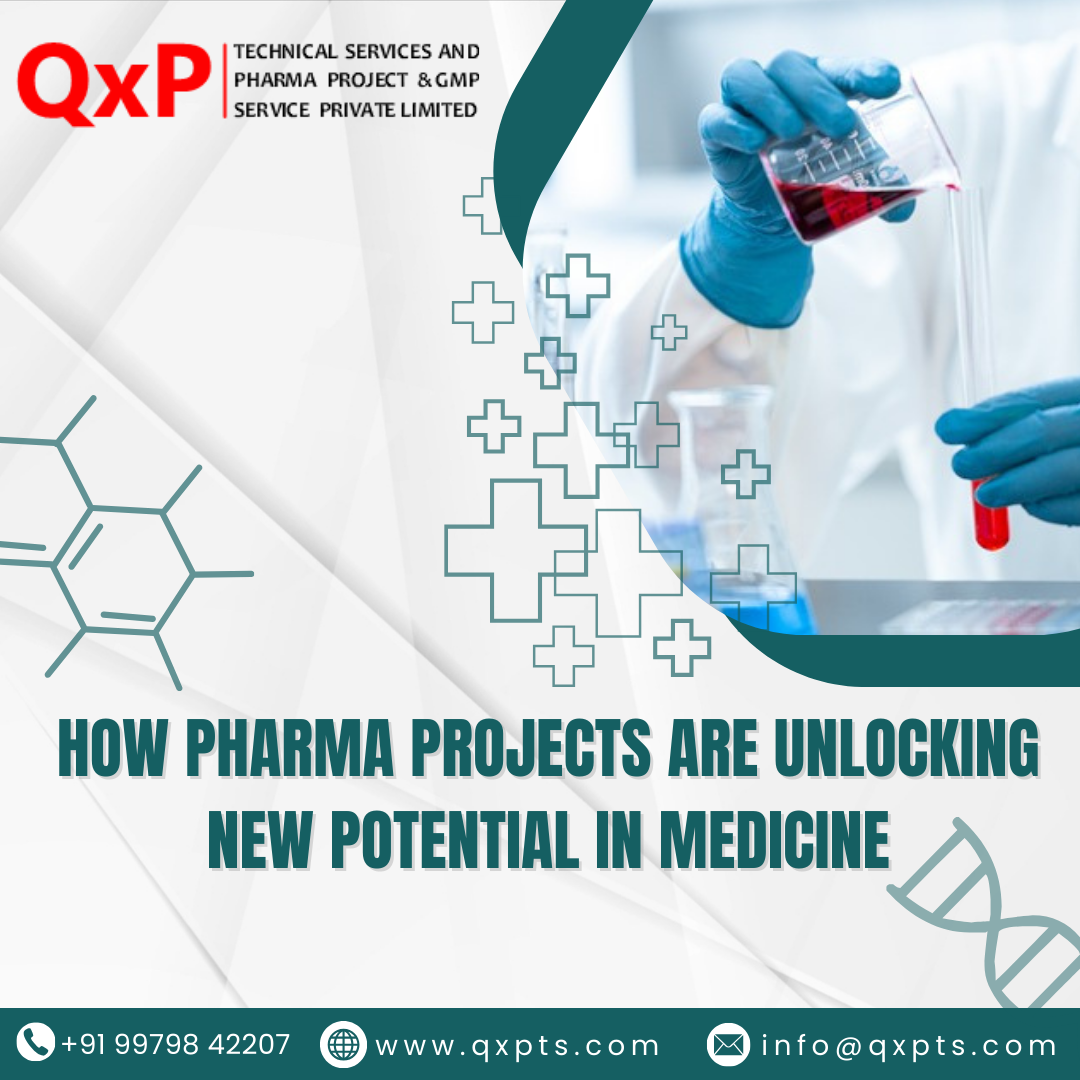
The pharmaceutical industry continues to evolve rapidly, constantly pursuing innovative treatments and breakthrough therapies. At the heart of this transformation are well-structured pharma projects that guide every stage of drug development—from initial discovery to final commercialization.
Every breakthrough drug and therapy is the result of carefully planned pharma projects. These projects are not just operational processes; they are strategic frameworks that enable innovation, ensure safety, and bring life-saving medicines to patients worldwide.
To successfully execute such complex initiatives, companies often rely on expert guidance from QxP Pharma Project Consultants & GMP Services to align innovation with compliance and efficiency.
Pharma Projects: The Backbone of Drug Development
Pharma projects act as the backbone of the entire pharmaceutical lifecycle. They provide a structured approach to transforming scientific discoveries into safe and effective medicines.
The journey of a pharma project typically includes:
- Identifying promising drug targets
- Designing and developing new molecules
- Conducting preclinical and clinical studies
- Achieving regulatory approvals
- Scaling up for commercial manufacturing
Each phase requires precision, coordination, and strict adherence to quality standards. Without proper project execution, even the most promising research may fail to reach patients.
Pharma projects ensure that innovation is not lost in complexity but instead converted into real-world healthcare solutions.
The Power of Collaboration and Expertise
Modern pharma projects are rarely executed in isolation. They depend heavily on collaboration across multiple disciplines, bringing together scientists, engineers, regulatory experts, and project managers.
This collaborative ecosystem enables:
- Faster problem-solving
- Better risk management
- Improved innovation outcomes
For example, identifying a drug target requires deep scientific research, while scaling production demands engineering excellence. Regulatory experts ensure compliance, and project managers keep everything aligned.
Drug development is inherently complex and involves multiple challenges, including:
This synergy is what allows pharma projects to overcome challenges and unlock new possibilities in medicine.
Pharma projects also benefit from strong technical planning and infrastructure support. Services like Design & Engineering Execution ensure that facilities, equipment, and processes are aligned with regulatory and operational requirements, enabling smoother project implementation.
Navigating Complexity in Drug Development
- Understanding disease mechanisms
- Designing effective and safe compounds
- Managing large-scale clinical trials
- Meeting global regulatory requirements
Pharma projects provide the structure needed to manage these complexities efficiently. They ensure that every step is documented, validated, and aligned with global standards.
To support this structured approach, companies often adopt GMP Consulting Services, which help maintain quality and compliance throughout the project lifecycle.
The Supporting Role of Specialized Services
While pharma projects remain the core driver, specialized services play a crucial supporting role in ensuring their success.
Approaches like Quality by Design (QbD) help teams understand processes better and reduce variability. Similarly, engineering and environmental control systems ensure safe and controlled manufacturing conditions.
For example, Innovative HVAC Solutions for Critical Pharma Environments support pharma projects by maintaining cleanroom standards and preventing contamination—an essential requirement for sterile manufacturing.
These services do not replace pharma projects but enhance their effectiveness and reliability.
- Emerging Trends Enhancing Pharma Projects: Pharma projects are continuously evolving with advancements in technology and science. Several emerging trends are expanding their potential and impact.
- Personalized Medicine: Treatments are increasingly tailored to individual patients, improving effectiveness and reducing side effects.
- Biotechnology and Biologics: Advanced therapies derived from living organisms are enabling new treatment possibilities for complex diseases.
- Digital Transformation: Data analytics and digital tools are helping pharma projects become more efficient and predictive.
Global regulatory frameworks such as US FDA guidelines also play a crucial role in shaping how these innovations are implemented safely.
Expanding Global Access Through Pharma Projects
Pharma projects are not only about innovation—they also play a vital role in improving global healthcare access.
Efficient project planning and execution help:
- Reduce production costs
- Increase manufacturing capacity
- Improve supply chain efficiency
Organizations like the World Health Organization (WHO) emphasize the importance of making essential medicines accessible worldwide.
Through well-executed pharma projects, companies can bridge the gap between innovation and accessibility.
If you explore recent trends through Google, you’ll notice a clear pattern—pharmaceutical companies that focus on structured project planning and expert guidance tend to move faster from development to market. It shows how well-executed pharma projects are not just operational steps, but a key factor in reducing delays and improving overall success rates.
Learning from Industry Practices
Real-world insights help pharma companies refine their project strategies and improve outcomes.
For example, structured planning and early compliance integration often lead to faster approvals and reduced risks. You can explore this further in Pharma Project Planning Guide.
Similarly, maintaining quality throughout the lifecycle is critical, as explained in GMP Compliance Strategies.
Validation also plays a key role in ensuring consistent performance, which is detailed in Pharma Validation Process.
Insights shared on platforms like Neil Patel often point out that industries with strict regulations, like pharmaceuticals, cannot rely on guesswork. They need clear strategies and strong execution. This is where well-planned pharma projects make a real difference, helping companies stay competitive while managing complexity effectively.
Global Regulatory Alignment
As pharma companies expand into international markets, regulatory alignment becomes essential.
Different regions have their own compliance requirements, and pharma projects must adapt accordingly. Organizations such as the European Medicines Agency (EMA) set strict guidelines for product approval and safety.
Aligning pharma projects with these standards ensures smooth global market entry and long-term success.
Discussions covered by Business Insider frequently highlight how innovation in healthcare depends heavily on how well projects are managed behind the scenes. Pharma companies that invest in structured project execution are usually the ones leading in adopting new technologies and delivering advanced treatments to the market.
Conclusion:
Pharma projects are the true catalysts behind medical progress. They transform ideas into therapies, research into results, and innovation into impact.
By combining collaboration, structured execution, and supportive expertise, pharma projects continue to unlock new potential in medicine.
With the right strategy and expert support, organizations can accelerate development, ensure compliance, and deliver life-changing treatments to patients worldwide.
If you are looking to plan or optimize your pharma initiatives, connect with experts through Contact Us.
Frequently Asked Questions (FAQs)
Q1. What are pharma projects and why are they important?
- Pharma projects involve the planning, development, and commercialization of medicines. They are essential for bringing safe, effective, and innovative treatments to market.
Q2. How do pharma projects support drug development?
- Pharma projects guide every stage of drug development, including research, clinical trials, regulatory approval, and manufacturing, ensuring efficiency and compliance.
Q3. What role do GMP services play in pharma projects?
- GMP (Good Manufacturing Practices) ensures that pharmaceutical products are consistently produced and controlled according to quality standards, improving safety and reliability.
#PharmaProjects #PharmaceuticalIndustry #DrugDevelopment #PharmaInnovation #PharmaConsulting #GMPServices #PharmaProjectManagement #ClinicalTrials #RegulatoryCompliance #QualityByDesign #PharmaEngineering #PharmaManufacturing
